
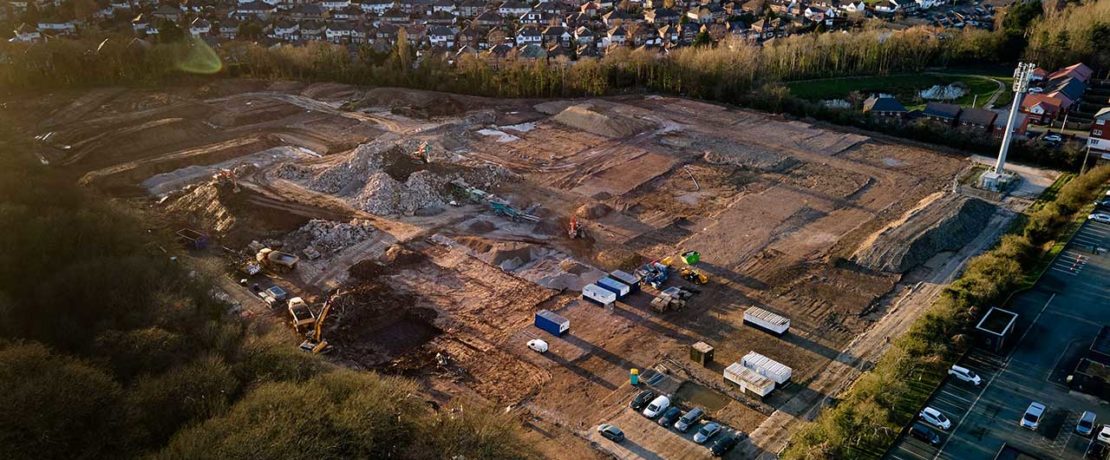
How to Sell Your Land for Residential Development in the UK
Published by McInnes Browne Ltd
If you own land in the UK — whether it's a large garden, a paddock, redundant farm buildings, or a field on the edge of a village — it may be worth significantly more than you think. Residential land with planning potential can command values many times above its current agricultural or amenity use. But unlocking that value isn't always straightforward.
Here's what you need to know.
Does Your Land Have Development Potential?
Not all land is suitable for residential development, but many sites that landowners overlook do have genuine potential. Sites worth assessing include:
- Land on the edge of existing towns or villages
- Large gardens or backland plots
- Redundant farm buildings or brownfield sites
- Farmland near expanding settlements
- Underused commercial land
The key question isn't just whether your land could physically accommodate housing — it's whether it can secure planning permission. That depends on local planning policy, infrastructure capacity, and how well a proposal is designed and promoted.
The Two Main Routes: Option Agreements vs. Outright Sale
Many landowners assume the only route is to simply sell their land and hope a developer handles the rest. In reality, there are two distinct approaches:
1. Outright Sale You sell the land as-is, usually at its existing use value. Quick, but you leave most of the value on the table — the buyer profits from any planning uplift, not you.
2. Land Promotion or Option Agreement A specialist promoter (like McInnes Browne) works with you to secure planning permission first, then sells the land to a housebuilder at its enhanced value. You share in the uplift. Crucially, you bear none of the upfront cost — the promoter funds the entire planning process.
For most landowners, the second route delivers substantially better outcomes.
What Happens During the Planning Process?
Once a promotion agreement is in place, the process typically follows these stages:
- Feasibility review — assessing planning policy, constraints, and site potential
- Technical investigations — ecology, highways, flood risk, heritage
- Design and planning application — architects and consultants prepare and submit proposals
- Community engagement — where appropriate, local consultation ahead of submission
- Planning decision — approval, or appeal if initially refused
- Sale to developer — once consent is secured, the land is marketed to housebuilders
The process typically takes between 18 months and 3 years, depending on the site and local authority.
What Should You Look for in a Land Promoter?
Not all promoters are equal. Look for:
- Transparency — clear agreements that protect your interests throughout
- Experience — a track record of navigating complex planning processes
- No upfront cost — you should never pay to have your land assessed or promoted
- No obligation to sell — if planning permission doesn't materialise, you should be free to walk away
At McInnes Browne, we bring over 30 years of senior leadership experience in highly regulated industries to every site we assess. That means rigorous due diligence, honest appraisals, and a disciplined approach to planning strategy — with your long-term interests at the centre.
Ready to Find Out What Your Land Could Be Worth?
If you own land that might have development potential, the first step is a free, confidential assessment. There's no cost, no obligation, and no pressure — just an honest appraisal of what your land could realistically achieve.